Microsoft Re-Introduces Mico, the Face of Its Copilot Assistant to Make AI More Human-Centric

Microsoft Re-Introduces Mico, the Face of Its Copilot Assistant to Make AI More Human-Centric

Microsoft Re-Introduces Mico, the Face of Its Copilot Assistant to Make AI More Human-Centric

Several in the industry are labeling Microsoft Mico’s comeback as a nostalgia trap. Could this clippy feature, no one asked for, turn into something they might need?

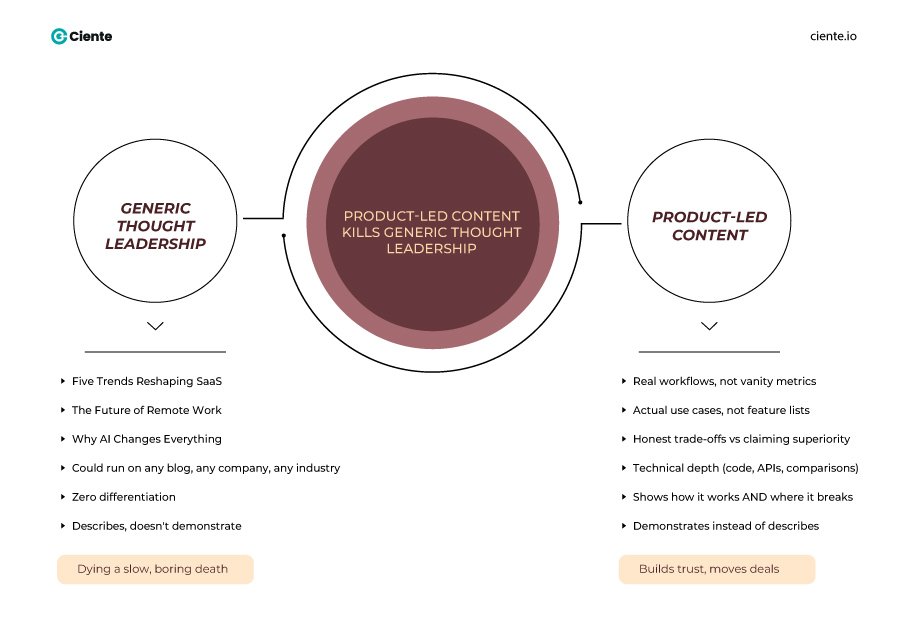
Microsoft just dropped Mico. Its blob-shaped AI companion that changes colors based on your mood and responds in real-time.

But the tech giant is missing a vital point here.

When you introduce an animated character as your AI’s “visual presence,” you’re begging for Clippy comparisons. Microsoft knows this. They had to. The paperclip lives rent-free in every millennial’s head as a monument to intrusive tech that nobody wanted.

But Mico isn’t Clippy 2.0.

It’s what happens when you take the “human-centered AI” playbook a little too seriously.

Microsoft’s Copilot Fall Release rolls out 12 new features.

Most of them are actually usable: collaborative Groups for up to 32 people, long-term memory so you stop repeating yourself, and health features grounded in sources like Harvard Health. These are practical. These move the needle.

Then there’s Mico. A floating, color-shifting, emotionally expressive.

The knee-jerk reaction is to dismiss this as Microsoft trying to out-cute the competition. But look deeper.

Mico isn’t about aesthetics. It’s a bet on emotional intelligence in enterprise AI.

Voice interactions are taking off.

And users want an AI that feels more like talking to a colleague. So, honestly, in line with that, Mico’s animations aren’t gimmicks. They’re behavioral cues. It’s signaling comprehension, empathy, or processing when it changes color or reacts.

That matters in enterprise contexts where clarity and trust drive adoption.

Where is Microsoft going wrong?

Here’s where it gets messy.

Microsoft wishes for AI that “gets you back to your life” while simultaneously introducing features designed to keep you engaged, such as collaborative groups, shared chats, and a character that literally reacts to your tone.

Mico is optional, which is clever.

But the broader Copilot strategy leans on the integration of Edge, Windows 11, OneDrive, Gmail, and Google Calendar. And the outcome?

AI that “connects you to yourself, to others, and to the tools you use every day.”

The risk? Creating dependency loops where opting out becomes harder than opting in.

The real question is- Should you care about Mico? Not really. Should you care about what Mico represents? Absolutely.

Microsoft is betting that AI companions need personalities to earn trust at scale. Whether that’s a floating blob or something else doesn’t matter. What matters is whether your teams want AI that feels human or AI that works quietly in the background.

That’s the question worth answering.

And Mico’s just the test case.

B2B Media Partnerships: How Do You Choose the Right One?

B2B Media Partnerships: How Do You Choose the Right One?

B2B Media Partnerships: How Do You Choose the Right One?

It’s crucial to gauge that growth doesn’t always hinge on doing it all alone. But what if the B2B media partner drains your resources rather than amplifying your growth?

There are numerous shortcuts and long roads to grow your business. But you don’t have to do it all on your own, especially if it’s still in the growing stage and has a long way to go.

This is of grave concern that brands face when expanding into foreign market territories. There’s so much nuance to entering a new market- from cultural and legal to business and contextual.

What most businesses find it easier to do is opt for a local player, one that knows the lay of the land. And understands the intricacies that require addressing or loops that need jumping through.

But that doesn’t mean you’re giving them the keys to your company. It’s no merger or acquisition.

There’s an agreement, a confidence in each other’s capabilities, and both of you work in tandem. In collaborative synergies.

This is what B2B media partnerships trickle down to.

Why is aligning with the right media partner crucial?

B2B media partnerships are intelligent collaborations in practice- growth and success are mutual. Your brand allies with a partner to leverage its core marketing competencies and assets. Especially if you wish to acquire new customers and elevate the retention of existing ones.

Look at Apple. Even the tech powerhouse needs wireless carriers to bundle its iPhones, and online retailers to sell all of its products. And then, users might purchase these products from a single wireless carrier because users can now buy the product and a voice-data plan to accompany it.

Doing more with less: that’s the guiding principle of partnership marketing and sales.

And it’s the same principle that powers B2B media partnerships. That’s how you build and sustain a sustainable growing business ecosystem.

Why choose a media partner in the first place?

You possess a specific competency that you’re great at, it could be appointment setting or SEO ranking. And that’s what your overall business strategy focuses on. And honestly, that’s alright.

But what if there’s another brand that can add value to your offerings? It could help you serve underserved audience segments through its capability to target them effectively. There are several tiny steps in the sales funnel, and each requires media to nudge the prospect onto the next step.

However, not all brands are well-versed in creating these media assets. That’s why most focus on their own core competency rather than wasting time creating content that goes nowhere.

This is where your media partner comes in.

They offer a sure-shot bridge to promoting your brand and establishing your credibility in the whitespaces you can’t enter on your own. Sometimes, they help with content curation and distribution, or just distribution. Some media partners out in the market also delve into 360-degree development of a campaign, from ideation to distribution.

But this is where the caution flag often seems the most prominent.

The List of Non-Negotiables for Choosing the Right B2B Media Partner

The sheer variety of media powerhouses, from niche industry blogs to international publishers, poses a crucial opportunity. But they are also a source of confusion. A shiny 360-degree offering doesn’t always guarantee success or credibility.

What happens when your media partner’s credibility becomes your brand’s?

You can’t afford to select the wrong B2B media partner.

Media partnerships don’t operate like influencer marketing. You can’t rent another party’s audience for a moment. But borrow trust and gradually build credibility.

Go beyond the bird’s-eye view to make a more intelligent choice. Move past reach and merely competency to instead focus on what truly is the meat and potatoes of an effective and fruitful B2B media partnership- the three pillars of partner-brand alignment:

The Correct Fit:

1. Audience Alignment

Determining the correct fit isn’t a filter. It’s the foundation that transcends leaning into mere demographics.

The B2B ‘audience’ that you are most often made aware of is a trap. A media partner might boast of a readership of 500k decision-makers, but that’s redundant. There’s no background- which business leaders and in what context?

Remember, this is often a vanity metric.

The point is that specificity is everything for a brand partnership, especially to build trust.

You don’t need to reach 500k marketing managers, but 500k Directors of Field Marketing at mid-market fintech organizations. And that’s precisely what your media partner should offer you.

But it’s not a fluke for them. It’s easy to say that we can tap so-and-so market segments for you. But trust and credibility remain unproven this way. The media partner must have earned their trust.

Why is it crucial?

Readers aren’t always casually browsing. They actively search for opinions and perspectives that challenge their own, so that they can justify purchasing a solution.

However, this sort of impact can only be delivered through proper reach.

Is the media partner reaching the entire buying committee, not merely the individual? The right one must have a technical blog tailored for the end user, and a roundtable series for the economic buyer, such as CFOs and CTOs.

That’s where most media partners falter.

To a B2B brand, the entire buying committee matters. The one that you invest in must have the kind of resources and reach that engages each of the decision-makers.

This drives real influence, one that extends beyond eyeballs.

2. Brand Alignment

Credibility by association.

As asserted before, the partner’s credibility becomes yours.

Imagine that a decision-maker is investigating a $30,000 SaaS solution. They are etched to a single mindset: high-stakes ⇒ risk-averse. Under the high pressure, they come across your brand on a platform whose expert opinions they unrelentingly trust.

It will create an immediate halo effect around your brand.

However, there’s another scenario.

Several media powerhouses mightn’t have the credibility that your brand does. You go on to their website, and it’s filled with spammy ads and random content- one without any visual or contextual coherence.

That’s where playing it safe is vital. You aren’t just avoiding “unsafe” content, but opting for a brand whose voice, value, commitment, and sophistication match yours. The right media partner should spotlight your brand’s vision, not debase it.

Your brand offers technical insights and data-driven opinions. The potential media partner hosts several types of clickbait and sensationalist content.

The result?

Cognitive dissonance.

It says a lot about your brand- that you’re desperate, not strategic.

Function and Goal Alignment:

This pillar is all about the work of the partnership- from who they are to the work we’ll do together.

Everyone can curate content. But curating content that achieves a purpose is where marketers miss the mark. This is why your brand and the media partner must align on the job that needs to be done.

Building awareness is a vague wish. What does it even mean?

You propose this to your media partner and hand over a few vanity metrics after a year-long campaign. This just isn’t it.

The real goal is highlighted as something along the lines of educating the audience segment about a risk, generating a specific number of high-quality IQLs, or even developing a C-suite deck to help adopt your solution.

There’s a goal to be achieved. Not a commandment to be blindly followed.

Clear instructions on goal alignment are what sustain a B2B media partnership. Both teams are missing a piece of the puzzle without it.

But how useful is this understanding when the partner’s functions don’t map to your funnel stages?

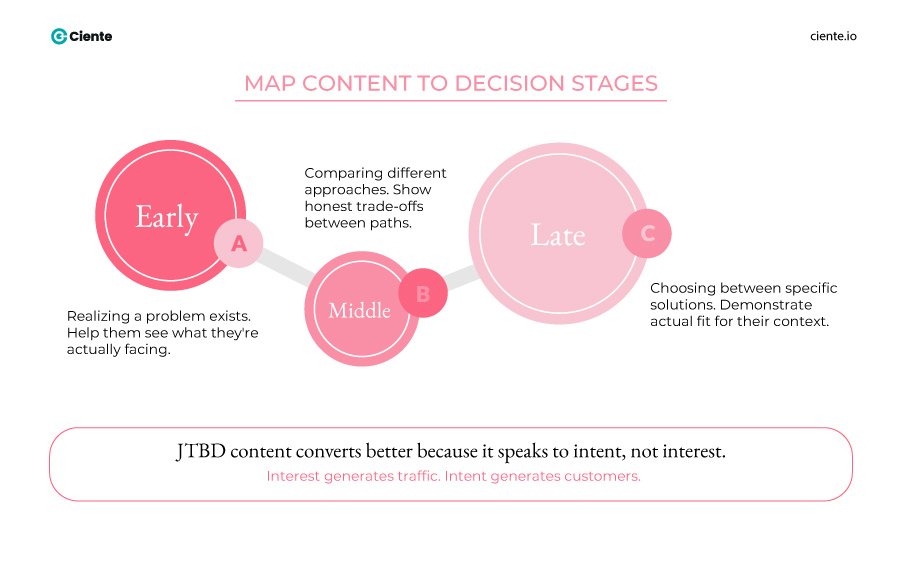
  1. You want to introduce a new problem at TOFU. Your media partner should be able to help curate thought-leadership content, broad-reach events, and co-branded research.
  2. You want to educate your audience and develop a preference. The media partner must be well-versed in organizing niche events, creating comparison guides, and publishing comprehensive studies.
  3. You want to capture purchasing propensity. The partner must have the capabilities to hold demo days, executive roundtables, and have a high-intent provider contact base.

The observable truth is that several media houses today are ad agencies in disguise.

They sell a transactional business model to you in the name of a glossy 36-degree offering.

A media partner that claims to do everything from content creation to lead generation, campaign measurement, and analysis could turn out to be a master of none.

It’s the 360-trap.

The right B2B media partnership should be collaborative. They must bring their editorial expertise and a host of networks to the table. They must help shape your message for resonance and amplify it, not because they must.

But because they’ve a vested interest in protecting the reader’s trust.

The media partner’s alignment with you demonstrates the real ability of their business model. And not what they promise behind closed doors.

One-Time Partnership to a Sustainable Ecosystem:

B2B sales cycles are long. And that’s a known fact.

The lead you’re engaging today might not translate into revenue for at least a year. The success in this scenario rarely hinges on the cost per lead (CPL). That’s not what measuring the success of the partnership or the media partner is about.

You must stop chasing the last-touch attribution. First, it’s impossible. And second, it’s a myth.

Imagine a scenario.

An IT decision-maker reads your media partner’s article ⇒ Likes it on LinkedIn but forgets about you for three months ⇒ Comes across your CMO’s speech from a conference ⇒ Receives a cold email as a follow-up ⇒ Googles your brand ⇒ Clicks an ad ⇒ Sales nurtures them to conversion.

It’s not that the final touch worked. It’s because all the touchpoints worked.

There are better metrics out there compared to last-touch attribution. Especially like the pipeline contribution. This bespeaks influence and impact, not only origination.

There’s much to consider-

  1. Did the generated leads enter the sales pipeline? If yes, then what’s the relative ratio? Did this help accelerate existing deals stuck in the pipeline?
  2. Are the right-fit accounts engaging with the content, ones with the right level of intent?
  3. How many SQLs, MQLs, and new-name accounts did the media partner produce from the existing target list?
  4. Does the partnership help establish our CMO as a credible thought leader?
  5. Did it give our sales team a high-value asset to share with prospects?
  6. Did it open new avenues for co-organizing an event with another key industry player?

This qualitative impact carries more weight than the number of immediate leads.

Quality always comes before quantity.

ROI isn’t just revenue, even if the name suggests it. It spans reputation, relationship, and retention.

So, a symbiotic relationship boils down to a data feedback loop.

They aren’t giving you numbers and calling it a day. There’s follow-through- who engaged, when, and how. Each aspect is covered in campaign reports. Then you compare this with your own data.

That’s how you optimize the B2B media partnership.

From a media buy to a trustworthy and intelligent synergy.

The Deal-Breakers in Choosing a B2B Media Partner

A.  First, a poor partnership fit cannot be replaced by good functional alignment or even great ROI numbers. The long-term benefits here are null. And the partnership could turn out to be fleeting rather than a strategic and sustainable growth model.

You might be speaking loudly. But your message will not cut through the noise if the room is filled with the wrong people. Irrespective of what you try.

Choosing the right fit is a non-negotiable pillar. It’s the qualifier. And if you get this wrong, you are damaging your positioning even for those who actually matter.

B. Second, functionally aligning with your media partner is a mandatory add-on. This is the executor part, and actively succeeds the why. Misalignment here might be easier to handle, but it could still lead to ample frustrations.

Your campaigns are tactically on the ‘on’ mode, but strategically, they’re drowning.

You’ll receive your leads- the entire lot. But what use is it when they’re of low quality? Instead of the Directors of Field Marketing, you receive a list of students or fellow content marketers who download your whitepapers for research.

C. And the last. The third pillar is all about not chasing highs and coattails. Last-touch attribution is a fluke- an oversimplification of other marketing efforts.

The cherry on top, measuring success beyond last-touch leads toward pipeline velocity or prospect engagement patterns. It operates as a finalizer. And optimizes your selection process.

Quantity doesn’t hold weight in the long run.

Performance is significant to track, but it’s not the only facet that matters. This is why ‘marketing’ siloed off isn’t enough.

Your B2B media partner’s capabilities must stand sturdy. And be able to prove the partnership’s objective and justify the budget and resource allocation. Not just drive numbers.

But take an impactful data-driven approach to understanding your objectives as well as cracks.

And be able to translate the expense into an investment.

A one-time handshake into a growing, sustainable relationship that mutually elevates trust.

What Does A True Collab Look Like? 5 Examples of B2B Partnerships Done Right

What Does A True Collab Look Like? 5 Examples of B2B Partnerships Done Right

What Does A True Collab Look Like? 5 Examples of B2B Partnerships Done Right

Partnerships aren’t like recipes. Add two companies, stir, wait for the market to taste it. That is not how this works. Here are B2B partnerships that show what it really takes.

Partnerships are social systems that operate inside organizations that themselves are emotional and political. They are set up by people who want to look as if they are building growth engines. And they fail because no one wants to handle the dirty work.

Execution eats strategy for breakfast.

We aren’t here to comfort you. We are here to show the seams.

To show which seams were sewn poorly, and which were sewn with intent. To show why some partnerships produce actual outcomes and why most produce PowerPoint slides and mild regret.

We treat each example as a strategic problem below.

For each one, the piece lays out the context, the psychological dynamics, the decisions leaders had to make, what actually happened, where the friction existed, and the lesson your brand can take away.

Read slowly. Argue with it. And use it.

How To Think About Partnerships Before You Even Sign One

First principle: partnerships amplify what already exists. They do not compensate for what you lack. If your product is fragile, your ops are brittle, or your sales team is unteachable, a partner will not fix that. A partner will magnify the failure.

Second principle: partnerships are multi-level games. There is the executive pact, the commercial agreement, the GTM plan, the technical integration, the sales behavior, and the customer experience. Each level requires alignment. Failure at any level sinks the boat.

Third principle: people matter more than process. Not because processes are useless, but because you cannot codify judgment, incentives, and politics into a playbook. Build processes around people, not the other way round.

One more thing. Partners are ambiguous. That is the crux. Embrace the ambiguity as a signal. If everything looks neat, you probably are ignoring the parts that will break.

B2B Partnership Example 1

Microsoft and Check Point: Revenue growth through embedded sales motion

Context and why it mattered

Microsoft wanted enterprise security credibility inside Azure. Check Point desired to reach. Neither lacked competence. But neither had the contextual leverage the other enjoyed. The strategic problem was distribution with intent. The question was not how to make a product compatible; it was how to make the product the obvious answer in Azure conversations.

What leaders chose to do

They did not settle for press releases. They synchronized sales and product behavior. That meant training engineers, aligning technical documentation, adjusting packaging and pricing, and inserting Check Point into Microsoft’s sales playbooks so that security came up naturally in conversations about cloud migration.

Trade-offs they accepted

Check Point ceded some control over messaging to get access at scale. Microsoft accepted more complexity in partner enablement in exchange for a trusted security layer. Both welcomed a short-term hit to internal simplicity for long-term pipeline acceleration.

Where friction lived

Sales credit. Engineers who had to deal with integration bugs. Marketing teams who wanted neat campaign windows. These are civil wars that rarely show up on dashboards. If you do not resolve them publicly, they fester.

What actually worked

The partnership delivered reconnaissance into which accounts were moving to Azure and then converted that insight into solution-led conversations. It was not just volume. It was an intent-aligned volume. That changes downstream metrics- conversion rates, deal velocity, retention.

Strategic takeaways

If you want revenue outcomes from partnerships, design a shared sales rhythm. Train salespeople together. Make the partner product the path of least resistance in the buyer’s head. That requires operational work: playbooks, demos, joint calls, and conflict resolution for credit.

Measure pipeline quality, not clicks.

The tactical move your brand can copy

Run a two-week shadowing program: Microsoft reps sit on Check Point demos, and Check Point pre-sales sit on Azure discovery calls. The gist is empathy, not metrics. Metrics follow empathy.

B2B Partnership Example 2

Apple and IBM: Sequenced authority for product innovation

Context and why it mattered

Apple had design credibility and consumer desirability. IBM had enterprise domain knowledge and sales relationships. The problem was not capability. It was legitimacy. Enterprise buyers trusted IBM for audit trails, compliance, and data governance. Apple had to learn to be taken seriously in corporate processes.

What leaders chose to do

They did not try to merge cultures at the outset. They allocated domains. Apple owns UI and product experience. IBM owned vertical distribution and analytics. They accepted a non-zero-sum division of authority: each led where they had clarity, deferred where they did not.

Trade-offs they accepted

Apple accepted slower enterprise sales cycles and heavier compliance work. IBM accepted design-driven user experiences that required different development rhythms. Both grasped the friction between agility and governance.

Where friction lived

Product roadmaps that had to satisfy Apple’s iterative design cycles and IBM’s long procurement cycles. Internal teams that had to report into separate KPIs. The tiny decisions API versioning, release timing, and security reviews- they cost months if mismanaged.

What actually worked

Sequencing.

Apple pushed user experience first into pilot pockets, where IBM could manage risk. IBM opened doors in regulated industries and introduced the product through trusted advisory channels. Adoption grew because buyers trusted IBM to manage risk and Apple to deliver experience.

Strategic takeaways

While pairing a design-led firm with a distribution-led firm, sequence authority. Let one build credibility in a domain while the other opens doors. Do not try to make everything symmetric. Define who leads on what, and treat those boundaries as the contract.

The tactical move your brand can copy

Map the decision rights. Who will sign off on UX, SLA changes, and who owns the customer escalation path? Make it visible and immutable for 90 days.

B2B Partnership Example 3

Waymo and Fiat Chrysler: Complexity as the thing you manage, not the thing you avoid

Context and why it mattered

Autonomy is not a feature you bolt on. It is an entire system that touches manufacturing, sensors, hardware tolerances, legal teams, and local regulations. Waymo could have tried to build cars. Fiat could have tried to build autonomy. The more clever play was to combine.

What leaders chose to do

They placed engineers together physically. They invested in real-world testing and accepted iteration as a product discipline. They agreed on responsibilities: Fiat for vehicle engineering; Waymo for autonomy stack and software.

They accepted long feedback loops and lengthy timelines.

Trade-offs they accepted

Massive investment, shared R&D failure risk, and length of horizon for ROI. Regulators impose constraints that are outside both companies’ control. They traded speed for depth.

Where friction lived

The integration points- sensors, firmware, safety validation. Different engineering cultures. Translation issues between automotive manufacturing cycles and software release cycles. Those are not trivial. They are structural.

What actually worked

They learned faster together. The joint lab work produced system-level insights that neither could have discovered alone. They mitigated risk not by avoiding it but by embedding testing, governance, and shared responsibility into development.

Strategic takeaways

If the problem requires different domains of expertise at scale, do co-development properly. That means co-located teams, shared measures of progress, and governance for failure. Do not treat hardware-software integration like a file transfer. Treat it like a joint craft.

The tactical move your brand can copy

Create a shared failure log accessible to both teams. Tag issues by cross-team owners with dates and visibility. Make the log non-punitive. Measure learning velocity.

B2B Partnership Example 4

Google and Luxottica: Failure teaches the market more than you want to learn

Context and why it mattered

Google had augmented reality and optics experiments. Luxottica had the channels and the taste. The product failed because consumers were not ready, and because the product raised social anxieties that the market did not accept.

What leaders chose to do

They partnered with a fashion house to lower the aesthetic barrier. They tried to normalize the form factor through a brand people recognized. They pushed the experiment into retail.

Trade-offs they accepted

Google accepted a public test with reputational risk. Luxottica accepted an association with an unproven technology. Both understood that early adopters might be small and messy.

Where friction lived

Privacy concerns, social acceptance, and technical ergonomics. Distribution did not equal demand. Retail channels amplify failure as quickly as they amplify success.

What actually worked

They learned. They tested assumptions about social context and privacy that product teams rarely learn in labs. The experiment clarified that a good technical fit does not imply market fit.

Strategic takeaways

Treat risky partnerships as experiments with controlled exposure. Learn rapidly, be willing to stop, and extract the data rigorously. You fail when you refuse to learn.

The tactical move your brand can copy

Run a consumer sentiment sweep before significant retail expansion. Pair product metrics with real-world social perception metrics. If social perception is negative, pause.

B2B Partnership Example 5

Microsoft and Oracle: Remove friction rather than invent new things

Context and why it mattered

Customers run Oracle databases. They want cloud flexibility. They don’t wish a rewrite. The partnership, therefore, focused on operational interoperability rather than product novelty.

What leaders chose to do

They coordinated to let Oracle databases run on Azure. It required precise work: networking, billing, SLA compatibility, and global region alignment. The commercial narrative was straightforward and convincing: run the workloads the way you want without disruptive migration.

Trade-offs they accepted

Both companies had to share control of support, patch schedules, and pricing models. They accepted complexity in their own sales motions for broader market lock-in.

Where friction lived

Billing reconciliation, support handoffs, and multi-cloud troubleshooting. The internal cognitive load to manage a joint offering is real and often underestimated.

What actually worked

Customers benefited immediately from reduced risk. That created demand. The partnership unlocked markets neither company could have easily reached alone.

Strategic takeaways

If the market suffers from friction, sometimes the simplest partnership is a reduction of that friction. Complexity removal sells.

The tactical move your brand can copy

Map all customer support touchpoints for your joint offering. Create a runbook for every common cross-platform issue. Test it through war-gaming.

B2B Partnership Example 6

Squarespace and web designers: Platform ecosystems that scale operationally

Context and why it mattered

Squarespace wanted a higher-touch sales channel without hiring. Designers needed a pipeline. The problem was operational: how to scale design capacity with predictable quality.

What leaders chose to do

They built an accredited partner program. They offered benefits for adherence to brand guidelines and performance metrics. They made it easy for customers to find certified partners.

Trade-offs they accepted

Squarespace delegated control over execution quality to partners while owning customer acquisition. They accepted that partner performance would vary and built monitoring and incentives to control variance.

Where friction lived

Quality control, partner dependency, and brand risk when partners underperform. The platform had to police quality without demotivating partners.

What actually worked

The model created a distribution channel with built-in service delivery. Customers got access to skills; designers got a pipeline. The platform grew without taking on heavy operational costs.

Strategic takeaways

While building an ecosystem, design for redundancy and standards. Make partner performance visible and manageable. Align incentives carefully.

The tactical move your brand can copy

Require a short probation project for new partners with joint review sessions. It calibrates expectations quickly.

B2B Partnership Example 7

Adobe and Microsoft: Integration for sustained operational advantage

Context and why it mattered

Enterprises use creative and productivity suites. Integration saves time. The business problem was day-to-day efficiency and staff productivity.

What leaders chose to do

They invested in connectors, joint support, and co-selling motions. They aligned roadmaps where possible and coordinated roadshow efforts to enterprise customers.

Trade-offs they accepted

Synchronized roadmaps slow each company’s independent development velocity. Both accepted that the customer benefit justified the internal coordination cost.

Where friction lived

Licensing complexity and feature overlap. Also, a constant need to keep integrations working across product updates.

What actually worked

Customers gained measurable efficiency. Process improvements translated into adoption and retention.

Strategic takeaways

Integration is not a one-time project- plan for ongoing maintenance and joint support teams. If you can reduce the customer’s operational drag, you create stickiness.

The tactical move your brand can copy

Create a quarterly joint engineering review focusing exclusively on integration regressions seen in production. Share outcomes with customers.

Cross-Case Themes and Strategic Doctrine

These collaborations are different on the surface, but the strategic DNA that determines success is the same. Here is the doctrine.

  1. Design partnership roles unambiguously. Who decides what, and who carries the cost of being wrong? Ambiguity kills speed.
  2. Invest in human coordination immediately. Co-locate people, schedule shadowing programs, run joint retros. Tools help, empathy works.
  3. Treat integration as a product. Outline and document all the contracts, SLAs, escalation paths, and failure modes. Test the failure modes publicly and internally.
  4. Measure what matters. Pipeline is not clicks. Customer intent is not impressions. Track conversion anomalies, time to remediate cross-system incidents, and joint sale conversion rates.
  5. Create non-punitive failure signals. If a partner experiment fails, reward transparency and learning rather than retribution. That is how you get honest data.
  6. Beware of the branding temptation. Logos on a slide are not traction. They are smoke until you can show revenue or saved time for customers.
  7. Build a governance drum. Not heavy-handed, but consistent. Quarterly business reviews that actually discuss trade-offs, resource needs, and where to kill projects. Kill fast when market signals are negative.

Tactical Checklist You Actually Need for Successful B2B Partnerships

You want something to act on. And here it is, but in a particular mindset: these are entry-level surgical moves to make partnerships operational.

  1. For each new partnership, publish a one-page decision rights map. Name the decision owner for UX, pricing, escalation, refunds, and joint marketing.
  2. Run a 10-day empathy sprint where reps from each company sit in the other’s calls. No reporting, just learning.
  3. Maintain a public shared failure log along with cross-company action items and deadlines. No posturing. No finger-pointing.
  4. Map the customer journey across both firms. Identify where the buyer hesitates and build joint touchpoints to remove that friction.
  5. Build joint outcome KPIs. Not vanity metrics. Joint pipeline, median time to first value, joint churn rate. Share both upside and downside equally.
  6. Establish a kill criterion. If a partnership cannot meet x in three quarters, wind it down. Do not let bad projects linger.

Final Reflections, and the Honest Risk Calculus

Partnerships are not a growth fad.

They are an advanced play. They require discipline, courage, and the willingness to be judged by outcomes rather than press coverage. They need honest leadership that tolerates slow, messy learning.

If this sounds like more work than you want, then don’t do partnerships. Outsource or buy. But do not pretend a logo on your homepage is a strategy. It is not.

If you do insist, then do it like a builder. Be deliberate. Be clear on who wins and who pays when things go wrong. Make the human coordination visible. Make the failures informative. Create an experiment culture that treats partnerships as product lines, with roadmaps, KPIs, and ruthless clarity.

Partnerships can be the best way to expand reach, accelerate innovation, and reduce friction for customers. Or they can be the worst way to waste time and erode credibility.

The difference is not the partner. It is your willingness to do the unpopular things that partnership success demands.

Act accordingly.

Building a Lead Generation Engine: The Sales Leader's Blueprint

Building a Lead Generation Engine: The Sales Leader’s Blueprint

Building a Lead Generation Engine: The Sales Leader’s Blueprint

Lead generation fails because it treats buyers as targets instead of people with context. The solution isn’t better tactics. But building a myth (positioning/identity) that attracts the right buyers organically.

Lead gen and the sales pipeline is a story as old as the barter system, but instead of a merchant screeching in the market.

Sales leaders scream in the digital marketplace.

There’s a reason you aren’t getting sales or even a healthy pipeline – your services and products don’t entice your buyer because you are after their money.

It’s a negative loop; one that your buyer is caught up in, too.

And it’s affecting the economy similarly to a crash, and AI is exacerbating the problem. The inefficiencies that you are feeling and can’t yet put into words?

The loop is the cause of it all. Okay, not all, but it is the fulcrum, and the ripples of its effect are all the other causes.

The scope of this problem is complex. Can you really build a pipeline, especially a lead gen pipeline, to improve sales?

If we are to do that, then it must not be underplayed that this is a paradox. Because asking lead gen to build a sales pipeline is asking someone to build a house with only foundations and no bricks.

No, lead generation builds trust and gives marketing and sales teams the data to close deals. The pipeline that most agencies deliver is a list of individuals who match your preference. And every time your sales team calls them, they either don’t know who you are or get annoyed.

So what should one do?

Here’s our 2 cents on it.

What do businesses get wrong about lead generation and sales?

Any organization that deals with a server experiences what is known as a cyberattack at least once.

What is involved in this attack?

  1. Bad actors
  2. Malicious Intent
  3. Exploitation of data

But what does that have to do with lead generation at all?

Essentially, today’s lead generation has become a continuous cyberattack. And this has happened unknowingly and slowly.

How?

In Game Theory, people who do good and people who cheat both fail.

Yet, one party survives- and that is the copycat.

The copycat learns and adapts.

So what happened? Marketing and sales raced to gain the most revenue and became data farms.

The industry spammed Google’s search with repetitive blogs, using SEO grey-hat and black-hat techniques.

But this worked, and people started copying these techniques, making most business communication seem transactional instead of relational (the ideal)

The Lead Gen Negative Loop

Vendors → Revenue-based tactics → Works → Gets Copied → Buyers’ Remorse Sets in → Buyer-Vendor relationship sours → Revenue Drips → Pivot to Aggressive and Borderline Malicious Revenue Tactics → Trust Erodes.

And B2B lead gen becomes an echo chamber of derivative marketing advice and sales, which end up nowhere.

A loop that started to earn revenue became a vicious loop, trapping buyers and vendors in a push-and-pull game of one-upmanship.

However, the winners of this game are the teams that give buyers what they want. Or the big brands that have made a name, and influencers that gain their trust.

These, too, become a gimmick that frankly even industry professionals are tired of.

The lead generation engine for the modern sales leader.

Every vendor is a buyer and every buyer is a vendor of some sort. This holds true across all domains.

And the ecosystem involves each other. A marketing professional will look at marketing and be influenced by it.

The programmer with programming practices.

Salespeople with other sales strategies.

The exposure of knowledge in daily lives means everyone influences each other’s work. But this means our frustrations are shared. As a sales leader, you face the same ecosystem: you want and need high-quality leads to build a sales pipeline.

Same for marketers. Some are better at it, some are mediocre, and some are plain bad. The ideal is to be good at it. But everything valuable is hidden behind data mining.

You share your data or money, and an organization will give you information. Case in point: HubSpot’s The State of Sales Report or McKinsey’s $1200 reports.

They are valuable, but their inherent value is based on what you give them. Yet, we use this data to empower our teams and sell solutions. Solutions that instead of creating a win-win situation, focus on revenue generation. Instead, it’s a propagation of problem-solving-problem-solving.

Their IT stacks are complex, and sales are failing across the entire market- everything becomes a problem to solve.

But no one is concerned with the core problem: treating buyers as people with contexts and multi-layered issues.

You treat the symptom and hope the cancer cures itself?

But here lies the good news: –

A possible solution

The frustration is shared. There’s a good chance many readers of this piece agree with what is being said. They have faced the same issue ad infinitum.

“What is our lead generation pipeline? It’s bullshit. Most calls have gone nowhere, and the deals remain unclosed.”

Especially for services, this rings true.

Services are hard to crack. And easy to replicate.

There are two strategies that organizations miss:

  1. Their revenue is based on their value
  2. Value is based on perception.

Big brands leverage this. They identify themselves with self-created myths.

Google is SEARCH.

OpenAI is AI.

Apple is PRODUCTIVITY.

This method is not monopolized by big brands. It’s a lead generation tactic everyone can adopt. And most high-performing teams are doing so.

Value is myth.

Lead generation, or let’s give it a better term, customer acquisition, can only take place when the buyers can attach themselves to your brand.

In order to do so, your service or product must focus on what makes it different. This assumes there is a difference in what you do- whether that’s pricing or customer service. But you must be rooted in myth.

For example, Ciente delivers leads, but what is the brand’s myth? It is trust. The myth is trust-making, and this piece is a part of it. An echo that reinforces what the brand stands for. Through this, we build an organic pipeline of people (read: leads) that want and require agencies that operate on trust.

It was right there in the market gap. The myth is to reinforce this point again and again. And the market supports it- there is ample data just on the fact that lead gen agencies underperform their basic tasks.

All we had to do was: –

  1. Create the promise
  2. Deliver it.

This gives us leverage- the content then becomes a vehicle to propagate the message and create interest within the buyer.

The action items for lead gen in 2025 and beyond.

Since every B2B content needs actionable takeaways. We will distill the thesis here for a clearer understanding of what this means. This is purely a framework; you can break it and mold it however you want.

1.) Perception – Does your brand solve a tangible problem for your buyers?

2.) Vendor Perception – Do you treat the buyer as relational nodes instead of transactional? Can you adopt this perception for experimentation at your stage?

3.) Myth Making – Does your method and value create a natural myth? This usually does happen naturally. You will notice your myth aligns with the market gap.

4.) Value Creation – Perception creates value. It is based on how you do your services and build your product. The USP arises from the methods.

5.) Customer Acquisition- Do the methods above help drive better CA? And CAC: CLV ratios?

That’s it.

There isn’t a 7-step program that you need to spend your days copying. No one can replicate your context or your buyers’ behavior. You need to derive your own insights and try to fit them in frameworks. And if they don’t work, abandon them.

Including this one.

If you can’t identify a meaningful difference, you have a product problem, not a lead gen problem.

There is a harsh reality that many buyers will face: businesses do lie to you.

The reason behind it is that the changing economy rewards revenue-based behavior. Agencies and product teams must increasingly deal with copycat solutions and cheaper alternatives, which buyers may prefer in the short term.

The only way someone can differentiate is by actually solving the problem people are facing in the first place. Novel idea, right? Look at all the good companies that exist today; they do it.

They give buyers what they want or generate demand through storytelling. But if you can’t do that, no amount of lead gen is going to fix that pipeline.

Buyers have become wary of what you are selling. And if they don’t find it, they will lose interest and move on negatively, and that impacts your brand’s name in the process.

The question isn’t how do we get them in the door. That part’s easy.

Think about making them stay. And the only reason they will stay is because you add value to their lives.

OpenAI Launches Its AI-Driven Browser, Atlas, to Challenge the World's Most Popular One

OpenAI Launches Atlas, Its New AI-Powered Browser – Ciente

OpenAI Launches Atlas, Its New AI-Powered Browser – Ciente

OpenAI’s new browser, Atlas, built around ChatGPT, does away with the address bar. What’s the AI startup hoping to achieve- a return on its massive bets or leading online search?

ChatGPT has left a dent in how people interact with and browse through the web. It used to be hours of searching through different SERPs that gave us tons of results- some more relevant than others.

But that’s how search worked. It was a moment of learning, a small fact that you stumbled across while you were looking for a completely different query. Search was curiosity, and a culture of information exchange. And research meant spiralling into tens of open tabs across Google.

However, something was missing. Something that has users turning to AI overviews and ChatGPT- convenience.

image 1

We’re all crunched for time, patience, and obviously, attention in today’s fast-paced digital economy. They want solutions in the blink of an eye, but in digestible tidbits.

Why else do you think that the upcoming AI models are advertised as faster than the previous ones?

This is what OpenAI’s AI browser, Atlast, is designed for.

First, ChatGPT transformed how we think of and create content. And now, the AI giant has put us in a perplexity- what does it really mean to use the web?

Google’s Chrome is the heart of the web where our workflow, tools, and context bind together. And for decades, this industry leader has played its role fruitfully, helping us through years of research, productivity, and problem-solving.

But OpenAI is taking this a step further- towards creating a super-assistant. One that understands our world’s reality and helps us achieve our goals, from analyzing a document to wrapping up grocery purchases.

And it’s right where you are. You don’t need to leave a page or minimize a window to seek its help. It’ll be there with you with built-in memory. You can complete new tasks by drawing on past searches and conversations. For example, it can open tabs that you had open from a week ago to help you not miss out on anything.

ChatGPT’s Atlas can leverage past knowledge when you require it, known as browser memories.

While still on the sidelines, could AI become the official gateway to online search, one that moves beyond overviews and summaries? That’s how it seems.

Sam Altman called it a “rare, once-a-decade opportunity to rethink what a browser can be about and how to use one.” It could disrupt the online search industry, as it stands in direct opposition to the industry leader, savoring an expansive market share.

For now, Chrome’s success serves as a blueprint for Atlas. But a chatbot at the very place where the traditional URL in browsers existed will alter how we use the Internet.

Behavioral Triggers: Generate High-Quality in the New Marketing Age

Behavioral Triggers: Generate High-Quality in the New Marketing Age

Behavioral Triggers: Generate High-Quality in the New Marketing Age

Marketing models fail because they perform on guesswork, not tangible signals. But understanding customers takes more than that. The missing link? Behavioral triggers.

Traditional marketing has adapted to being more customer-centric, or rather, customer-first. While this phrase is used as a buzzword of the modern marketing age, very few marketers truly understand what it corresponds to.

As the name suggests, customers are the starting as well as the pivotal point around which marketing frameworks are structured. However, it demands understanding consumer needs and behaviors. It’s imperative to strategic development. Especially to mold effective and efficient marketing tactics.

This has been marketing’s long-known history- one where precise prediction of human behavior informs all vital marketing decisions. That’s diving into the belief systems and buyer motivations.

Marketers are proactively attempting to detangle the wires of B2B buying. They wish to decode the psychology behind how, why, and where buyers make a purchase.

It remains critical to closing a sale and avoiding any mid-journey drop-offs.

This realization hit marketers like a ton of bricks.

A singular answer to their buyer conundrum is getting into the elements that influence customer decision-making and preferences-

Behavioral triggers.

Behavioral Trigger: A Brief Definition

Some decisions are impulsive and quick, while others demand cognitive load and intuition. And most of them aren’t actually made with logic. It’s a constant to-and-fro between our conscious and subconscious.

Making a purchase requires several qualifying and disqualifying choices. The objective is to ascertain that the final choice we make is the right one.

And that’s how we drift through the pre-purchase processes.

The idea here is that consumers’ choices aren’t usually directed towards the product. But the service expected from the provider. The same product can meet distinct needs, while different offerings can meet the same need.

It signifies that buyers don’t always make purchases based on pricing charts or features. There’s something inherent that travels deeper to inform their purchasing decisions.

It’s behavioral triggers

A tiny nudge that compels buyers to act. They are prompts that trigger consumers towards a specific action, especially when an emotion compels them to make a decision.

The different types of cues that inform behavioral triggers

In simple terms, behavioral triggers are used to send marketing messages when a specific event occurs. It’s a customer behavior detection method that implicitly clues you in on whether they’ll purchase your product or not.

Behavioral triggers fall into two categories- internal and external.

Internal Behavioral Triggers

Internal triggers are day-to-day feelings that impact prospects. They affect how the accounts perceive your brand and can be influenced and modified, but not negated.

Because these triggers stem from our human psyche:

  1. Situational/Contextual – Context guides behavior: the time of day, the device used, and the location. These attributes drive navigation across the web and modify users’ behaviors.
  2. Emotional – Whether it’s FOMO, nostalgia, fear, enthusiasm, or any other, impulsive purchases are often driven by our personal emotions. It’s easier to connect through something that comes naturally to humans.
  3. Cognitive bias – Some biases cloud our perspective. And these can actively either make those marketing messages seem like gold or like plastic. That’s where clarity comes in handy. A clear and coherent message can positively challenge your negative biases. And instill receptivity.
  4. Habit loops – Our daily habits guide most of our browsing and even purchasing patterns. That’s what brands target. Especially to deliver the right message at the right time. And how they ensure that the message corresponds with the moment.

External Behavioral Triggers

These triggers are external in the sense that providers undertake deliberate actions to engage leads, compelling them to act in a desired way. These are heavily brand-initiated and used for elevating engagement and responses to a specific marketing or sales function.

One such example is the label- “Limited Time Offer.” These add urgency, paired with FOMO. And demands tenacity on the user’s part to make the purchase as soon as possible, or they might miss out.

These are only two components. Modern marketers leverage scarcity, exclusivity, social proof, curiosity, risk reduction, and even greed to help users move the needle. And complete a crucial sales action.

Grasping some triggers might make you privy to building stronger connections, while others will unearth the intent a particular lead holds. But there’s more.

Behavioral triggers also help reduce churn and amplify customer retention. It helps spotlight accounts that are going to disengage. And makes businesses more aware of what went wrong, where, and how you can win these customers back.

That’s why behavior has come to carry even greater weight than demographic or firmographic data. Customer understanding goes beyond knowing who they are. It’s redundant.

However, knowing why they are interacting with your brand and their true intent can open avenues for growing your revenue and your partner ecosystem.

Why Are Behavioral Triggers Crucial?

Modern customers won’t fall for traditional campaign calendars. Their need for personalization and relevancy comes before being contacted at all. They wish to gauge why you’re specifically reaching out to them- these modern consumers don’t want to feel like a number in a herd of similar ones.

They might receive your marketing messages, but are they actually listening?

Maybe your brand isn’t paying enough attention to what your potential buyers are doing. Their actions, preferences, and market movements- say a lot about what they’re interested in buying, and what they need.

If you’re drowning in the same quicksand, it’s because you aren’t paying attention.

It’s your job to gauge and interpret buyer signals, set up triggers to send hyper-personalized messages. Messages that don’t just seem personal, but actually deliver value and build that bridge towards the final conversion.

So you can think of behavioral triggers as rules. Rules that ensure your campaigns wrap around what customers do, i.e., their actions across the web and your brand.

But your team must know how to leverage these triggers correctly. You can’t just place them everywhere and hope that something will stick. The combination of trigger and behavioral marketing has afforded a myriad of benefits, but only when it’s done right.

Here are some simple steps to set up behavioral triggers.

  1. Map out the customer journey, and then identify all key moments ⇒ What are the potential triggers at different touchpoints- sign-ups, subscriptions, feature skipped, first log in, or email open?
  2. Develop trigger logic with the appropriate context, i.e., set automated responses according to the event (or customer signal) ⇒ Gauge what the event is and set up delayed logic (“email 1 day after”) tailored to push the leads forward ⇒ Was there a response to this email? (clicked on?)
  3. Align the teams accordingly- who will react when?
  4. Monitor and optimize, i.e., track the number of clicks and conversions ⇒ Was there any churn post-trigger? How was the segment performance?
  5. A/B test the subject lines, delay windows (timing), and what would work better: incentives or content?

Use-cases?

Think of when users receive an email or a push notification reminding them that they abandoned their cart. And it’s precisely what e-commerce platforms such as Amazon or Swiggy do.

However, the point is that you don’t exactly know why they abandoned the cart.

So, behavioral triggers utilize the customer’s history, previous purchases, and behavioral patterns to send a message promptly. Those that align with the customer’s current emotions and actions. It illustrates that your brand cares about every interaction- from onboarding to repurchase.

Specific actions prompt specific marketing functions, like:

  1. First login ⇒ onboarding flow.
  2. Usage drop ⇒ re-engagement.
  3. Repeat purchase ⇒ loyalty building.

These are merely the basics.

Don’t only focus on outlining the numbers. The real impact of behavioral triggers goes beyond that. It’s about what truly informs business expansion and prospect behavior.

How Do Behavioral Triggers Operate Across Marketing Functions?

Trigger-driven campaigns generate three times the revenue of batch-and-blast ones. But there’s a strategy involved.

They operate as marketing’s nerve-endings. And hence spotlight when a user is ready to engage, act, or even churn.

Without one, they are obstacles in your campaigns that can disrupt a prospect’s journey. If implemented strategically, behavioral triggers ensure your customers’ journey is seamless, quick, and fruitful.

You aren’t just revamping your campaign and how you interact with your prospects. But changing the entire purview of marketing communication- your team communicates with prospects not in the language you’re fluent in, but one that speaks to their realities.

It’s psychology in action. One that considers timing, relevance, and memory loops. And responds to what customers do, not who they are.

Here are some examples of how behavioral triggers work, depending on specific customer signals-

1. Website visitor signs up for mailing list ⇒ Behavior detected? Registration form completion ⇒ The marketing message here is an engaging, friendly welcome message.

What does it do? Request opt-ins and introduce them to your other comm channels.

2. User adds items to cart but doesn’t check out ⇒ Behavior detected? Abandoned cart even after an hour ⇒ Personalized email or phone reminder with dynamic product information.

What does it do? Highlights product details and instills urgency.

3. A new user downloads your mobile application ⇒ Behavior detected? Completed app install ⇒ An informative onboarding sequence to make app usage seamless.

What does it do? Orients new users to app offerings and helps them gauge the maximum potential of its features.

The Space for Behavioral Triggers in the Customer Journey

Behavioral triggers detail out several actions and inactions, such as product usage, purchase cadence, browsing activity, churn, or inactivity signals. Behavioral triggers aren’t merely about reading what your customers are doing, but also what they aren’t doing. And why- this is the most crucial question to ask.

And one that informs the succeeding steps of your campaign.

Behavioral triggers are catalysts that transform your traditional, broadcast campaigns into hyper-personalized, impactful ones.

This way, comms become more personalized and effective for the customer, not what your team thinks it means in your market reality. And then the mild interaction turns into a trust relationship.

Behavioral triggers are the strategic wings of your trust-building attempt.

Consumers today are more discerning, and their decision-making is complicated. Their self-serving and research-driven attitude doesn’t get blown away by traditional spray-and-pray techniques. Your modern buyers can easily differentiate between persuasion and authenticity.

That’s precisely what behavioral triggers attempt to bridge.

Effective marketing campaigns aren’t assumptions derived from what customers are doing. They are rooted in in-depth analysis of real-time data, such as clicks, skips, open rates, subscriptions, etc.

These components help instill contextual relevance masked as empathy. It’s like saying, we grasp what it’s like walking in your shoes, and we wish to do better for you.

The aim? Trust and confidence in your brand- the true seeds of growth. You aren’t just sending them messages or follow-ups, but solving their pain points. And this is what matters.

And that’s why there are so many use cases of behavioral triggers. They spotlight and build upon what truly matters, and set a defined benchmark for your campaign to operate on.

But it’s not all freeform.

The triggers you establish through your automated workflows must align with the brand’s goals.

The goals inform the behavioral triggers that are used.

And the triggers inform the lead targeting approach.

Behavioral triggers are the indicators of what really succeeds and what fails, and why.

See, you cannot think of B2B buyers as purely rational beings. They are still driven by emotions and personal conflict, especially across nuanced buying committees.

But understanding their behavioral triggers can take your strategy a notch forward.

Unlocking these underlying motivations can give your team new tools to craft messages that don’t merely persuade prospects to interact with your brand offerings.

But also instill a sense of authenticity and credibility in the brand.

Confusion can only stray prospects away from you, especially when the comms seem fractured from what they truly desire and what you actually end up offering them.

Behavioral triggers mend the cracks to spotlight a 360-degree perspective of your customers. From every tidbit about who they are to what interacting with your brand means to them- all in real-time.

Surviving means nothing in the modern marketing age. You’ve already been left behind if you aren’t thriving despite these rapid changes. Adapting behavioral marketing into your marketing roadmap could kickstart your growth-

Not only do you learn from your failures, but you also adapt to the market transformations at lightning speed.