1. Cruising through volatile markets requires adaptable practices while staying true to the company’s core vision. What has helped you remain steadfast and lead your teams through this turbulence?
My time at impact.com has been relatively brief so far, but speaking from wider experience I think concentrating teams on the product and delivering value to customers is the most important thing to focus on during periods of economic or market instability.
When the economy is unpredictable, value will come under increasing scrutiny. Despite a market-leading product, and being the largest partnerships platform in the world, we aren’t immune from that scrutiny. But a focus on the customer ensures we double-down on value, understand what our clients need from us, and can help their businesses flourish – even when the markets aren’t conducive to growth.
In Europe we have lived through three-plus years of very unpredictable economic conditions. But the partnerships industry has proved very resilient. In 2024 the UK partner industry grew by 9% while the overall economy struggled to deliver 1% growth. Faith in our industry’s ability to weather volatile market conditions helps us to remain true to the company’s vision.
2. M&As induce instability- intensifying an unconscious threat of retention bias. How has your experience across leadership roles helped you realistically manage high-performance teams through such disruption?
The idea of M&As introducing instability to businesses needs to be seen in context. While some disruption during M&A is inevitable, it is important to keep teams focused on core goals. These include growth and the shared learnings that are equally inevitable and generally very positive when two successful companies come together.
It’s always tempting to look on M&A as being disruptive to high-performance teams that are used to operational stability. But in my experience these downsides are generally dramatically outweighed by the opportunity for cross-functional collaboration.
3. Culture often takes the back seat to transactional mechanics in M&A conversations. Why do you think these cultural aspects are still undermined in preserving deal value?
The various M&As I’ve been involved with have felt different, especially when it comes to focusing on culture. Yes, transaction mechanics exist, particularly during post-merger integrations, and especially if the two companies have a similar product or operating structure. But in my experience, culture – and particularly retaining the culture of a smaller entity that is being acquired by a larger company – has always been given a high degree of priority. And rightly so.
There are very few genuine ‘mergers of equals.’
The overwhelming share of M&As by volume is larger companies acquiring smaller companies. In those situations, having a sympathy for the culture of the smaller company – and how it can be incorporated into the larger organization – is important.
4. Hasty growth without operational insight can mask inefficiencies and burn cash. While accelerating growth, how can leaders strengthen their market positioning while enforcing strategic cost structures?
Separating investment for growth from the day-to-day operating costs of the business is important here. Leaders should be explicit about how spending is split between building future capability, and day-to-day costs pertaining to the running of the business. It’s an often-cited point that growth tends to hide inefficient spending, so keeping a firm track on metrics (like the cost required to generate £1 of revenue) are important.
5. Tactics such as defensive cost-cutting are a go-to for those trying to survive economic downturns. Past that firefighting approach, how can businesses align long-term value without negotiating their cost discipline?
Operational efficiency has to fund growth. All successful businesses are rigorous about cost intelligence and discipline, but it’s important businesses use that cost discipline as the engine to support a growth mindset.
Ultimately, the economy is a cyclical machine. All downturns are followed by periods of recovery. What’s hard to predict is the length of the cycle. Good businesses use downturns to invest and prepare for the inevitable recovery.
6. You hold a unique position overseeing both DACH and UK regions. As impact.com’s Country Manager, what are some of the similarities and differences you consistently observe in buyer patterns across these borders?
The UK and Germany are the two largest e-commerce markets in Europe, and also the largest partnership markets. This means the opportunity for us to grow in these markets is significant. It’s widely accepted in Europe that deal-cycles are generally longer and buyer sentiment typically takes longer to establish.
In Europe, the largest pieces of business change hands in lengthy RFP processes where buying decisions are normally highly scrutinized.
7. The last decade was largely about algorithms, AI, and automation. Which structural shift, do you think, could come to define sustainable growth practices in the next decade?
I think AI very much belongs to the coming decade, particularly the widespread adoption of AI into day-to-day working life. Autonomous systems and software agents will be a fundamental part of every person’s work life within the next decade.
We probably haven’t even met the companies that will come to dominate the AI space in the next decade, nor have we seen the limits of how LLMs and AI agents will embed themselves into our working life.
I say this with a lot of positivity about the change AI will inject into our daily working lives. We will become less functional workers, and at the same time more thoughtful, strategic and ultimately effective.
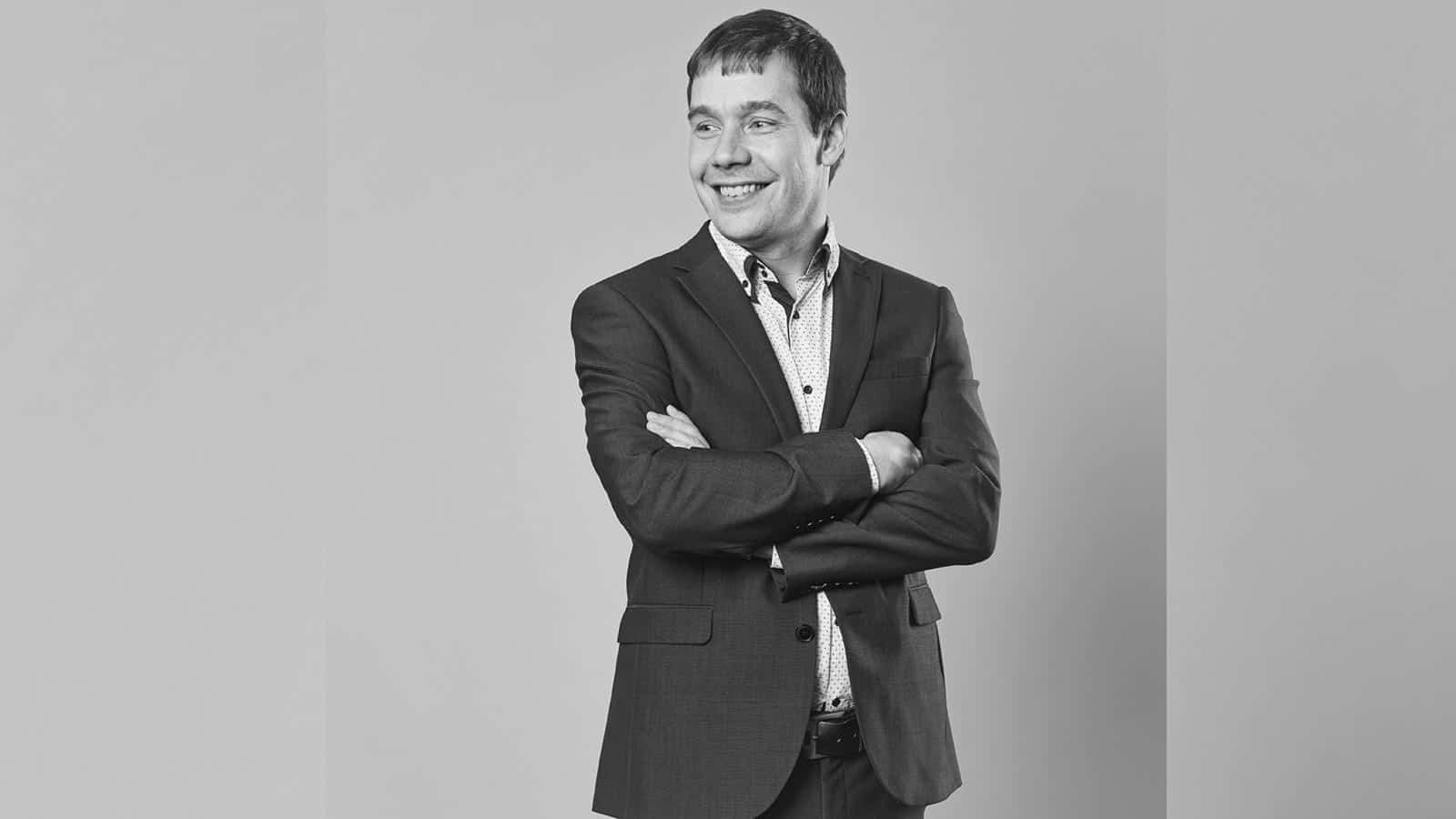
Anthony Clements, UK and DACH Country Manager at impact.com
Anthony Clements, UK and DACH Country Manager at impact.com, is a seasoned performance marketing leader with nearly 20 years’ experience. Formerly at Adtraction and Awin, he drives growth, partnerships, and go-to-market strategies across Europe, helping brands scale customer acquisition, revenue, and trust through innovative partnership marketing.